Mattresses
Published October 8, 2025
5 minMaking the Big Move: Your Complete Guide to Transitioning Your Toddler to Big Kid Bed
How to Make Bedtime Smooth, Safe, and Stress-Free for You and Your Little One
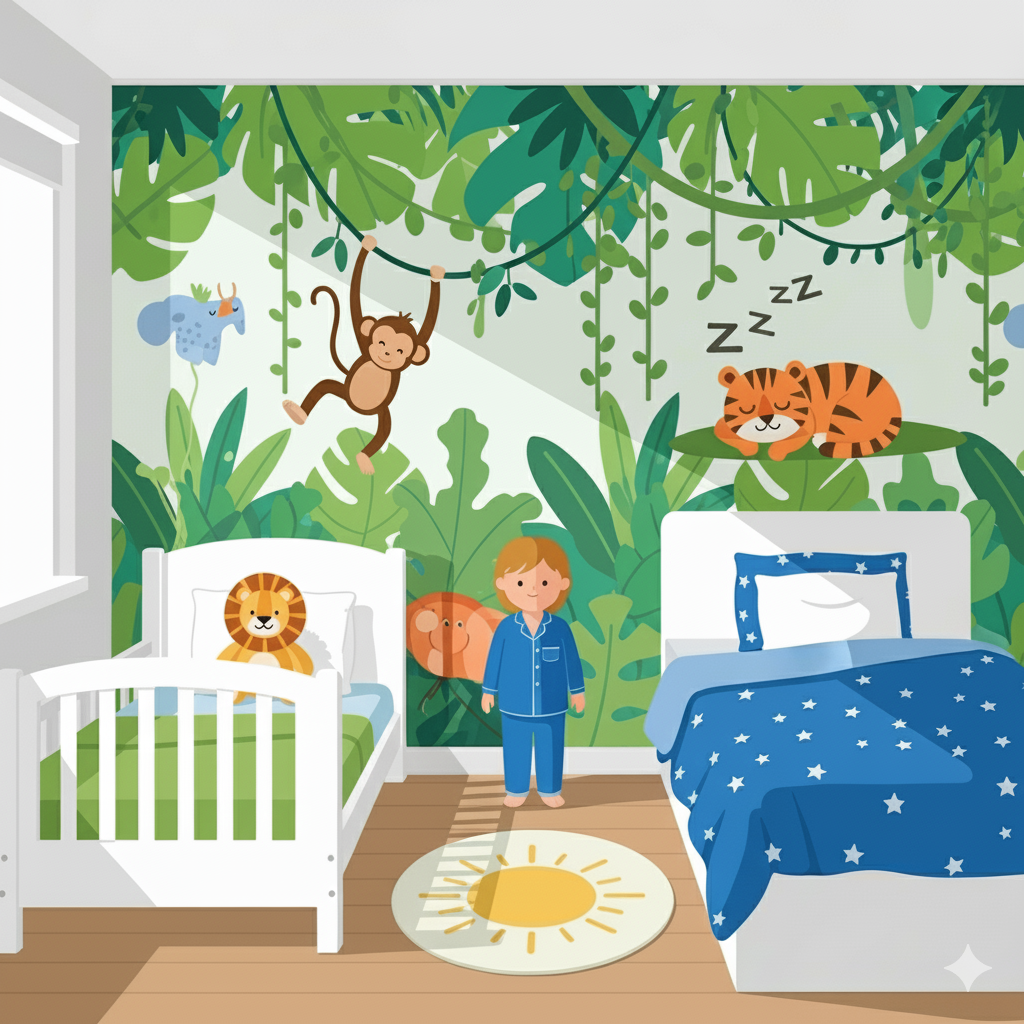
Table of contents
When Should Your Toddler Make the Switch to a Big Kid Bed?Choosing the Right BedChoosing the Perfect Kids MattressWhy Mattress Type Makes a DifferenceHow to Create a Safe Sleep Environment for Your ChildHelping Your Toddler Make a Smooth Transition to Their New BedCommon Challenges and SolutionsAge-Specific ConsiderationsWhy the Right Mattress MattersCitationsSources
If you’ve interrupted quite a number of crib escape missions recently, or are starting to notice that your kiddos feel a little cramped in their beds – a new phase might be coming. It probably feels like you brought your little ones home yesterday, but if there’s one thing we know about children, it’s that they grow up fast. And as your tot grows bigger and more adventurous by the day, it’s time to ask the crucial question: is it time to make the move to a “big kid” bed?Regardless of the reason, it’s an equally exciting and terrifying transition! Here is a quick guide to make transitioning from crib to bed as seamless as possible (and make sure you all get to stay asleep throughout the night).
Not sure which mattress fits you best? Find out now.
When Should Your Toddler Make the Switch to a Big Kid Bed?
With parenting, there’s rarely a one-size-fits-all answer, and transition from a crib to a bed definitely isn’t the exception. Most children make their move when they’re between 18 months and 3.5 years old¹, but the American Academy of Pediatrics suggests looking for specific signs rather than going solely off of age².For the ultimate safety indicator, check your crib’s railing height when your little one is standing in their crib. If it’s sitting lower than their chest, their adorable climbing attempts might start to become genuine safety concerns³. The American Academy of Pediatrics specifically recommends transitioning a child out of a crib once the crib railing is lower than their chest or when they reach 35 inches tall⁴.Other things to look out for are:- Your toddler successfully scaling their crib’s walls
- Complaints about feeling squished or uncomfortable
- Potty training progress that might require nighttime bathroom runs
Choosing the Right Bed
Once you’ve decided it’s time, you’ll face another decision: what type of bed is the right one for your family? Let’s break down your main options:Toddler Beds: These transitional beds use the same mini crib size dimensions as many cribs, making them perfect for smaller rooms or cautious transitions. They sit low to the ground and often feature fun designs that make bedtime more appealing. Many parents also love that they can continue using their existing crib mattress with this option.Convertible Cribs: If you started with a convertible crib model, you’re already set! These clever designs transform from crib to toddler bed, then to daybed and finally a full-size bed.Twin or Full-Size Beds: Some families skip the toddler bed phase entirely, moving straight to a twin or even a full size mattress for toddler use. While this requires purchasing a new mattress, it’s an investment that can last well throughout their teen years.Choosing the Perfect Kids Mattress
Now we get to the crucial part – choosing a kids mattress that supports your child’s growing body while ensuring safe, comfortable sleep. This decision impacts not just their sleep quality but their physical development too.Firmness is Key: Unlike adult preferences that vary widely, children need consistent support for their developing spines.Research demonstrates that the human spine should be kept in its natural shape during sleep to minimize internal loading of soft tissues and allow intervertebral discs to rehydrate⁷. A medium-firm mattress for kids provides the ideal balance – supportive enough for proper alignment but comfortable enough for peaceful sleep⁸. Pediatricians generally recommend medium-firm mattresses for children as they help maintain proper spinal alignment during periods of growth⁹. Basically, you’re looking for a mattress that offers support without sinking.Size Matters: Understanding bed sizes helps you make the right choice for your space and child’s needs. While a twin might seem logical, many parents find a kids full mattress offers more longevity and room for those inevitable middle-of-the-night parent visits (it’s better to be prepared!).Safety Certifications: When shopping for the best mattresses for kids, look for certifications like CertiPUR-US. These ensure the mattress meets strict standards for low chemical emissions – because the last thing you want to worry about is what your child is breathing in during those 11-14 hours of sleep¹⁰.Why Mattress Type Makes a Difference
Not all mattresses are created equal, especially when it comes to growing bodies. Scientific research shows that mattress firmness significantly affects body pressure distribution and spinal alignment in developing children¹¹. Let’s explore why certain types might work better for children:Innerspring and Hybrid Mattresses: These traditional choices remain popular because they offer excellent edge support – crucial for preventing those heart-stopping midnight tumbles. Their responsive surface also makes it easier for kids to move around and change positions as they sleep. However, older kids might outgrow these firmer options when it comes to comfort.Memory Foam Mattresses: = Research shows that properly firm surfaces maintain their shape and provide appropriate spinal support, which modern kids’ memory foam mattresses are specifically designed to achieve¹². Traditional memory foam is often too soft for children who toss and turn frequently as they sleep. However, today’s kids’ memory foam mattresses are engineered differently. They use firmer, more responsive foam that provides gentle contouring without excessive sinking, along with cooling technologies that prevent overheating. This means children get the pressure relief benefits of memory foam while still maintaining the firm support their developing spines need..Nectar’s Kids Memory Foam Mattress answers your child’s needs as they grow, with an adaptable, flippable design that offers a firmer surface for younger tots and softer, memory-foam comfort for older kids.How to Create a Safe Sleep Environment for Your Child
Choosing the right mattress is just the beginning. Creating a safe sleep space involves several considerations:Perfect Mattress Fit: Your mattress should fit snugly within your bed frame, with no gaps where little limbs might get stuck. This is especially important when transitioning from the contained environment of a crib.Bed Height: Lower beds reduce fall risks during those early transition months. Many parents opt to place the mattress directly on the floor to start, gradually raising it as their child becomes more comfortable.Room Preparation: Going crib-less means you baby-proof the entire room, not just the bed area. Secure furniture to walls, cover any open outlets, and remove climbable objects near windows¹³.Helping Your Toddler Make a Smooth Transition to Their New Bed
You’ve chosen the perfect toddler bed and mattress – now what? Here’s how to make the actual transition as smooth as possible:Involve Your Child: Let your toddler pick out new bedding or arrange their favorite stuffed animals on their “big kid” bed. When children feel ownership over a big change, they’re much more likely to embrace it.Maintain Routines: Keep bedtime rituals consistent. The same stories, songs, and cuddle time help signal that while the bed is new, their comforting routine remains unchanged.Extensive research from peer-reviewed medical journals demonstrates that consistent bedtime routines improve multiple aspects of infant and toddler sleep, including shorter sleep onset latency, decreased wakefulness after sleep onset, and increased sleep consolidation¹⁴. Studies consistently show that children with regular bedtime routines have better sleep quality, earlier bedtimes, and improved overall sleep duration¹⁵.Practice During the Day: Start with nap time in the new bed before attempting overnight sleep. A lower-pressure introduction will help build up their confidence.Address Nighttime Wandering: Some families use “sleep rules” charts or special nightlights that indicate when it’s okay to get up.Common Challenges and Solutions
Let’s address the elephant in the room – this transition isn’t always smooth sailing. Here are solutions to common hiccups:“I Want My Crib Back!” Regression is normal! Keep the crib assembled for a few weeks if you have the room. Sometimes just knowing they can go back helps ease your child’s anxiety.Midnight Visits: When your toddler inevitably wanders into your bedroom, calmly and consistently return them to their bed. Yes, even the fifteenth time! Consistency is your secret weapon here.Fear of the Dark: The open feeling of a bed can trigger new fears – the dark being a common culprit. Night lights, glow-in-the-dark stars, or leaving the door cracked are definitely helpful here.Age-Specific Considerations
Depending on when your family decides to take the big-kid-bed jump, you might face different challenges and opportunities.18-24 Months: Focus on safety above all. Consider starting with the mattress on the floor and using bed rails. Keep the sleep space minimal to reduce distractions.2-3 Years: This is often the sweet spot for transitions. Children this age can understand simple rules and are often excited about “big kid” privileges.3-4 Years: If you’ve waited this long, you might skip straight to a twin or full bed. A 3 year old bed can be more substantial, since they’re ready for the responsibility.4+ Years: Beds for four year olds can be almost adult-like in style. Focus on longevity and choose a mattress that will grow with them. Children this age need about 10-13 hours of sleep a night¹⁶.Why the Right Mattress Matters
When selecting a mattress for your child’s new bed, consider options that will be able to grow with them. Nectar’s memory foam mattresses offer unique advantages for growing bodies, with adaptive support that adjusts to your child’s changing weight and sleep positions over the years. Additionally, cooling technology helps regulate temperature for active little sleepers who always seem to run hot.What sets Nectar apart is our understanding that children need both support and comfort. Our kids mattress provides the medium-firm support pediatricians recommend while incorporating pressure-relieving comfort layers that help restless kiddos stay comfortable all night long. Plus, with our generous trial period, you can take all the time you need to ensure that Nectar is the perfect fit for your child’s needs. Any questions? Reach out to Nectar Support and we’ll be happy to help.Citations
Sources
- Cleveland Clinic. (2023). From Crib to Toddler Bed.Health Cleveland Clinic https://health.clevelandclinic.org/from-crib-to-toddler-bed
- Nationwide Children’s Hospital. (2021). Transitioning from Crib to Toddler Bed. 700 Children’s. https://www.nationwidechildrens.org/family-resources-education/700childrens/2021/12/transitioning-crib-toddler-bed
- Cleveland Clinic. (2023). From Crib to Toddler Bed. Health Cleveland Clinic https://health.clevelandclinic.org/from-crib-to-toddler-bed
- American Academy of Pediatrics. (2023). Transition to toddler bed: Timings and tips. Medical News Today. https://www.medicalnewstoday.com/articles/transition-to-toddler-bed
- Williamson, A. A., Leichman, E. S., Walters, R. M., & Mindell, J. A. (2019). Caregiver-perceived sleep outcomes in toddlers sleeping in cribs versus beds. Sleep Medicine, 54, 16–21.
- Oster, E. (2024). Managing the Toddler Bed Transition. ParentData https://parentdata.org/transitioning-from-a-crib-to-a-toddler-bed/
- Li, S., Yu, H., Luo, Z., Liu, R., Sheng, Z., Zhou, L., & Zhu, R. (2022). The Influence of Mattress Stiffness on Spinal Curvature and Intervertebral Disc Stress—An Experimental and Computational Study. Biology, 11(7), 1030.
- Ancuelle, V., Zamudio, R., Mendiola, A., Guillen, D., Ortega, J. A., Tello, A., … & Torres-Roman, J. S. (2015). Effect of different mattress designs on promoting sleep quality, pain reduction, and spinal alignment in adults with or without back pain; systematic review of controlled trials. Sleep Science, 8(3), 143-149.
- Li, S., Yu, H., Luo, Z., Liu, R., Sheng, Z., Zhou, L., & Zhu, R. (2022). The Influence of Mattress Stiffness on Spinal Curvature and Intervertebral Disc Stress—An Experimental and Computational Study. MDPI Biology https://doi.org/10.3390/biology11071030
- Paruthi, S., et al. (2016). Recommended amount of sleep for pediatric populations: A consensus statement of the American Academy of Sleep Medicine. Journal of Clinical Sleep Medicine, 12(6), 785–786.
- Huang, L., Yang, Z., Wang, C., Hao, Y., Ma, X., Chen, J., & Yu, S. (2021). Effects of mattress firmness on infant body pressure distribution. Applied Ergonomics, 91, 103279.
- McKenna, H., Callan, S., Electrodes, C., Ikeda, E., Reid, N., Santos, D., & Young, J. (2021). A firm recommendation: measuring the softness of infant sleep surfaces. Injury Prevention, 27(4), 371-376.
- American Academy of Pediatrics. (2022). Home Safety: Tips for Families With Young Children. HealthyChildren.org https://www.healthychildren.org/English/safety-prevention/at-home/Pages/Home-Safety-Heres-How.aspx
- Mindell, J. A., Telofski, L. S., Wiegand, B., & Kurtz, E. S. (2009). A nightly bedtime routine: impact on sleep in young children and maternal mood. Sleep, 32(5), 599–606.
- Mindell, J. A., Li, A. M., Sadeh, A., Kwon, R., & Goh, D. Y. (2015). Bedtime routines for young children: a dose-dependent association with sleep outcomes. Sleep, 38(5), 717-722.
- American Academy of Sleep Medicine. (2016). Consensus Statement on the Recommended Amount of Sleep for Healthy Children. Sleep, 39(6), 1085-1086.