Sleep Health
Published November 25, 2025
8 minHow Your Mattress Affects Your Health: The Hidden Impact of Your Sleep Surface
Why that morning stiffness and chronic fatigue might be coming from your bed — and what you can do about it

Table of contents
The Physical Toll: Can a Bad Mattress Cause Body Aches?Bad Mattress Symptoms: Warning Signs You Can't IgnoreThe Hidden Health Effects of Sleeping on a Bad MattressSigns of a Bad Mattress: Your Replacement TimelineWhen to Replace Your Mattress: Making the Right DecisionHow Often Should You Change Your Mattress: Industry Standards vs. RealitySigns You Need a New Mattress: Your Body Knows BestKey Mattress Features for Better HealthHealth Benefits of Memory FoamHow A Better Mattress Improves Your HealthTaking Action for Better Sleep Health
That nagging back pain you've been dealing with for months? Constant tossing and turning that leaves you exhausted every morning? It’s highly likely your mattress might be the culprit. We spend about a third of our lives in bed, but many of us still overlook how significantly our mattresses impact our overall health and well-being.A bad mattress doesn't just rob you of good sleep. Rather, it can create a cascade of health issues that affect everything from your spinal alignment to your immune system. Understanding these connections helps you make informed decisions about when to replace your mattress – and what to look for in your next one.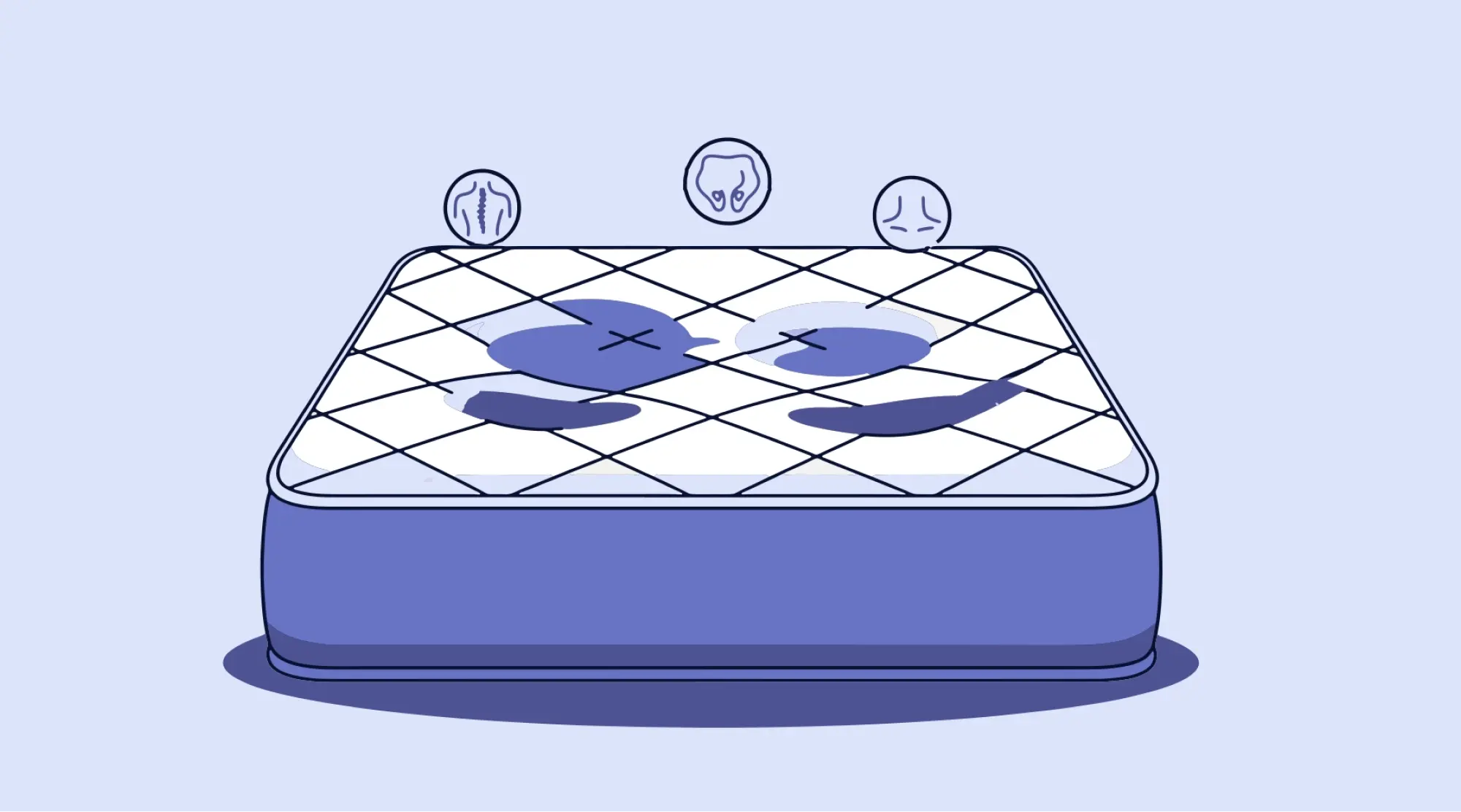
Not sure which mattress fits you best? Find out now.
The Physical Toll: Can a Bad Mattress Cause Body Aches?
In short: absolutely. Your body works hard to maintain proper alignment while you sleep, and an uncomfortable bed forces your muscles to compensate accordingly all night long. This constant strain leads to those familiar morning aches and pains that seem to come from nowhere.Research published in systematic reviews shows that medium-firm mattresses significantly improve spinal alignment and reduce general low back pain. When your mattress fails to provide adequate support, your spine falls out of its natural curve. Your muscles tense up trying to correct the misalignment, and as a result you might experience:- Persistent back aches that worsen over time
- Neck and shoulder pain from improper head elevation
- Hip pain from excessive pressure points
- Morning stiffness that takes hours to work out
Bad Mattress Symptoms: Warning Signs You Can't Ignore
Your body sends clear signals when your bad mattress habits are affecting your health. These symptoms often develop gradually, making them easy to dismiss or attribute to other causes.Morning Pain and StiffnessWaking up feeling worse than when you went to bed is the most obvious red flag. If you consistently experience back, neck, or joint pain in the morning that improves throughout the day, your mattress likely isn't providing adequate support.Visible Sagging or IndentationsTake a close look at your mattress surface. Body impressions deeper than 1.5 inches often indicate that your mattress’s support layers have broken down. This sagging creates uneven support that ultimately throws your spine out of alignment.Increased Allergy SymptomsAn old mattress can be a haven for dust mites, dead skin cells, and other allergens. If you're sneezing, coughing, or experiencing respiratory issues primarily at night or upon waking, your mattress might be the problem.Sleep DisruptionsTossing and turning throughout the night often indicates pressure point pain. When your mattress creates uncomfortable pressure on your hips, shoulders, or other body parts, your brain prompts you to shift positions frequently, preventing deep, restorative sleep.Partner Movement DisturbanceIf every time your partner moves, you feel like you're on a trampoline, your mattress has lost its motion isolation properties. This leads to frequent sleep interruptions for both of you.Note: Nectar’s impressive Forever Warranty™ means your mattress stays covered for normal wear and tear. So you can rest easy, and make sure you’re getting the support you need.The Hidden Health Effects of Sleeping on a Bad Mattress
Beyond the obvious aches and pains, symptoms of sleeping on a bad mattress can extend to surprising areas of your health:Compromised Immune FunctionPoor sleep quality directly impacts your immune system. When your mattress prevents deep, restorative sleep, your body produces fewer infection-fighting cells and antibodies. This makes you more susceptible to colds, flu, and other illnesses.Increased Stress and AnxietyChronic sleep deprivation from an uncomfortable mattress elevates cortisol levels. This stress hormone has been shown to affect your mood, creating a frustrating cycle where poor sleep leads to increased stress, which in turn leads to poorer sleep.Weight Gain and Metabolic IssuesQuality sleep regulates hormones that control hunger and satiety. When your mattress disrupts your sleep, these hormones become imbalanced, leading to increased appetite and cravings for high-calorie foods.Cardiovascular StrainStudies link poor sleep quality to increased blood pressure and heart disease risk. Your cardiovascular system needs quality rest to repair and regulate itself properly.Signs of a Bad Mattress: Your Replacement Timeline
Recognizing the signs of mattress deterioration will help you stay ahead of any oncoming health issues. Here's what to watch for at different stages of your mattress's life:Years 5-7: Early Warning Signs- Slight decrease in comfort
- Occasional morning stiffness
- Minor visible wear in high-use areas
- Reduced edge support
- Persistent body aches
- Visible sagging or lumps
- Noticeable noise when moving
- Partner disturbance increases
- Allergy symptoms worsen
- Chronic pain issues
- Severe sleep disruption
- Significant allergen accumulation
- Complete loss of support structure
When to Replace Your Mattress: Making the Right Decision
The question of when you should replace your mattress doesn't have a one-size-fits-all answer. While the general guideline suggests replacement every 7-10 years, several factors influence this timeline.Mattress Quality and MaterialsMattresses made from higher-quality materials typically last longer. Memory foam and latex mattresses often outlast traditional innerspring models – though even the best mattress degrades over time.Usage PatternsA mattress in a guest room might last 15 years, while your primary bed needs replacement sooner. Body weight, sleep position, and whether you share the bed all affect longevity.Maintenance and CareProper support from your bed frame and using a quality mattress protector can extend your mattress’s lifespan. Your Changing NeedsLife changes, like weight fluctuations, injuries, pregnancy, or aging, often require different support levels. What worked perfectly five years ago might not meet your current needs – and that’s okay!How Often Should You Change Your Mattress: Industry Standards vs. Reality
While manufacturers provide general guidelines about how often you should replace your mattress, your personal experience matters most. The Sleep Foundation's research indicates these typical lifespans:Innerspring: 7-8 yearsMemory Foam: 8-10 yearsLatex: 10-15 yearsHybrid: 8-10 yearsThese estimates assume average use and care. Heavy individuals, active sleepers, or those with specific health conditions might need replacement sooner.Signs You Need a New Mattress: Your Body Knows Best
Your body provides the most reliable indicators of when to get a new mattress. You should always trust these physical cues over arbitrary timelines.The Hotel TestDo you sleep better in hotels or when visiting friends? If you consistently wake up more refreshed on other mattresses, it's time for a change.The Recovery TestPay attention to how long it takes morning stiffness to resolve. If you need more than 30 minutes to feel loose and comfortable after waking, your mattress isn't providing adequate support.The Energy TestChronic fatigue despite adequate sleep hours often indicates poor sleep quality from an unsuitable mattress. Quality matters more than quantity when it comes to restorative rest.Key Mattress Features for Better Health
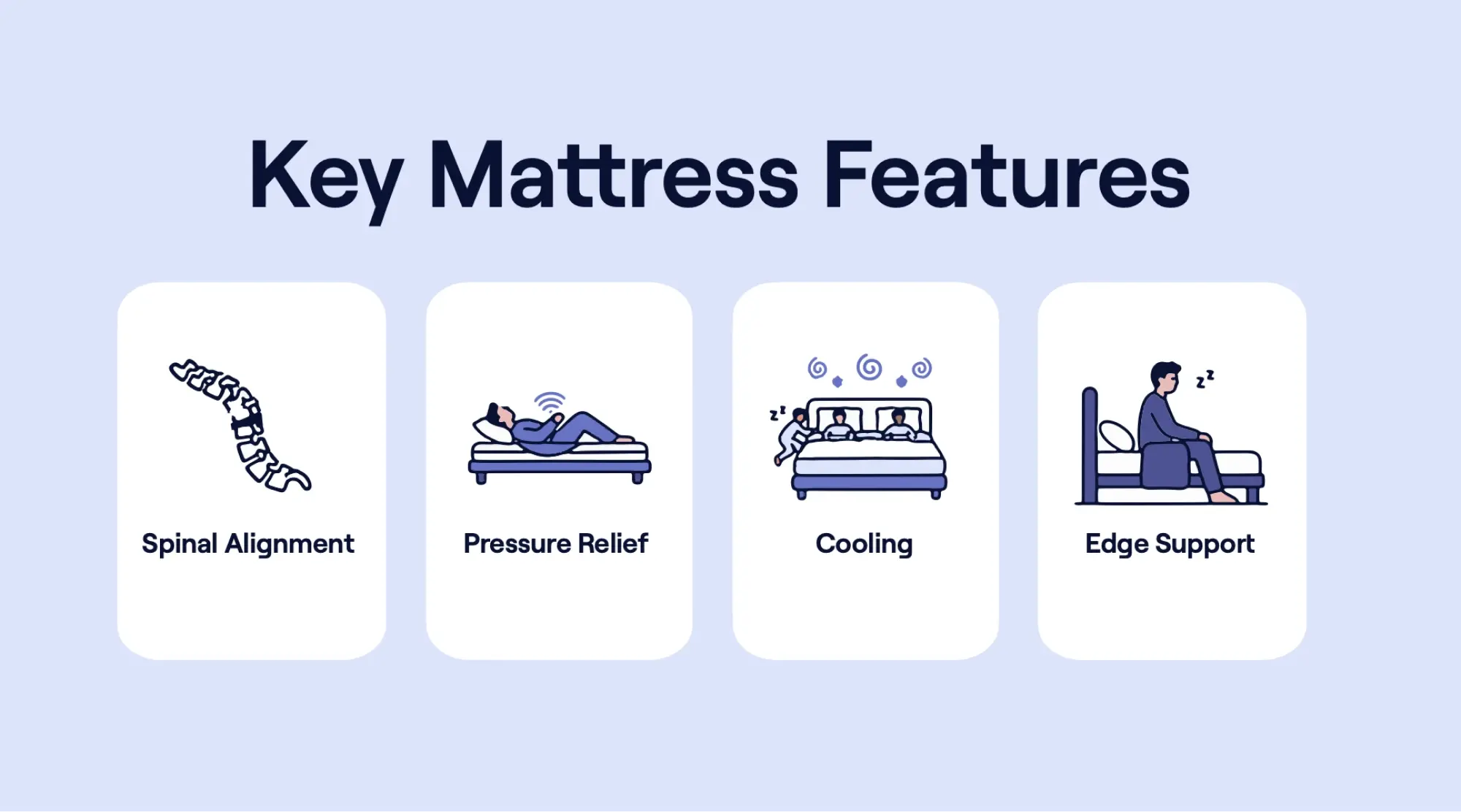
Understanding what makes a great mattress helps you make an informed replacement decision. Modern sleep science points to several crucial factors.Proper Spinal AlignmentYour spine should maintain its natural curve regardless of sleep position. Side sleepers need more contouring at pressure points, while back sleepers require firmer support through the lumbar region.Pressure Point ReliefA comfortable mattress distributes body weight evenly, preventing painful pressure buildup at your shoulders, hips, and other contact points. Memory foam excels at this, conforming to your unique shape.Temperature RegulationSleep quality plummets when you're too hot. Modern mattresses incorporate cooling technologies like gel-infused foams and breathable covers to maintain optimal sleep temperature.Motion IsolationFor couples, minimizing motion transfer ensures one person's movements don't disturb the other. This becomes increasingly important as mattresses age and lose their dampening properties.Edge SupportStrong edges maximize usable sleep surface and make getting in and out of bed easier. This feature often deteriorates first in aging mattresses.Health Benefits of Memory Foam
Modern memory foam has evolved significantly from early versions. If you pick a memory foam or hybrid mattress, you can expect these improvements.Improved Pressure ReliefMemory foam's viscoelastic properties distribute weight evenly, reducing pressure point pain and improving circulation. This can significantly reduce tossing and turning.Better Spinal AlignmentThe material's ability to conform to your body's curves helps maintain natural spinal alignment throughout the night.Reduced Motion TransferMemory foam absorbs movement rather than transferring it across the bed surface, leading to fewer sleep disruptions for couples.Allergen ResistanceThe dense structure of memory foam resists dust mite infiltration better than traditional innerspring mattresses.Modern memory foam mattresses address historical concerns about heat retention through innovative cooling technologies. Nectar's impressive cooling fibers and breathable design work together to maintain comfortable sleep temperatures throughout the night.How A Better Mattress Improves Your Health
We now know that the quality of your time asleep directly impacts your waking hours, too. Research consistently shows that a good mattress investment pays dividends in improved health outcomes, like:- Reduced chronic pain
- Better immune function
- Improved mental clarity
- Enhanced mood regulation
- Increased energy levels
- Better weight management