Sleep Health
Published April 22, 2022
8 minSleep Apnea Symptoms and Recovery- What You Should Know
Sleep Apnea Symptoms:
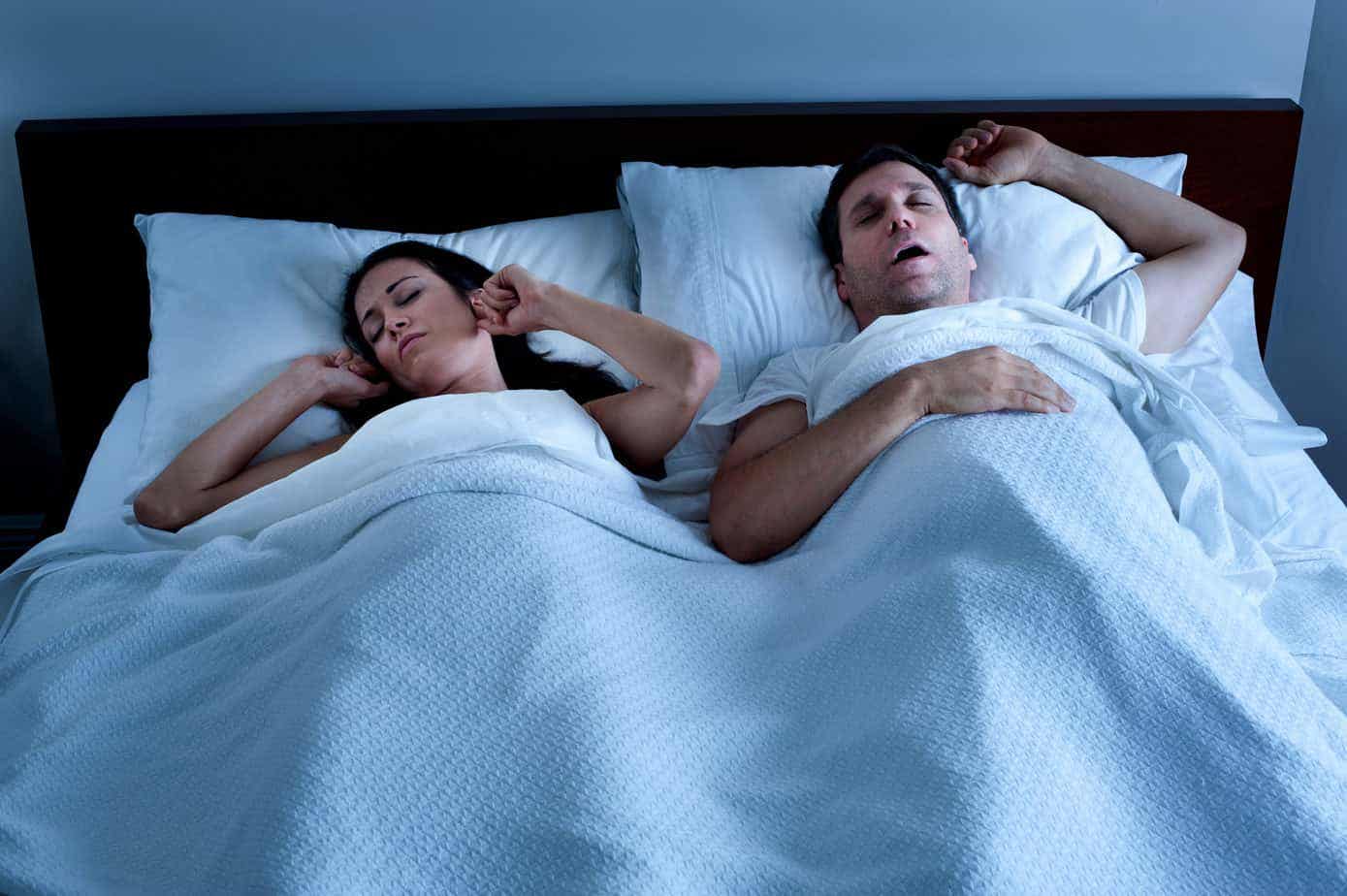
Table of contents
45 Percent Of People Who Have Obstructive Sleep Apnea Are Obese Who May Suffer From Sleep Apnea And What Are Some Of The Causes?How To Help Avoid Sleep Apnea
Sleep Apnea Symptoms:Waking up with a very sore or dry throat.Loud snoring.Occasionally waking up with a choking or gasping sensation.Sleepiness or lack of energy during the day.Sleepiness while driving.Morning headaches.Restless sleep.SourceSleep Apnea Symptoms – Some light snoring at night from time to time is likely normal — after all, we all breathe while we sleep. But sometimes we snore loudly, louder than we ever could have imagined, and also more consistent. These could be signs of sleep apnea.A common disorder, sleep apnea affects one’s breathing at night. It can temporarily stop one’s breathing while he or she is sleeping. As one is sleeping, they may not necessarily be as aware of the shortness or difficulty of their breathing when they are supposed to be resting.This shortness of breath can jolt or convulse one out of their natural sleep rhythm. Because of this, they may feel stressed out when they wake up. They may feel that they are lacking in energy, that they aren’t as mentally sharp as before, or that they may be more moody. This might affect the sleeper’s relationship with their partner or those who sleep next to them.Obstructive Sleep Apnea (OSA), Central Sleep Apnea, and Complex Sleep Apnea are the three forms of this sleeping disorder. OSA is the most common of the three; it is called obstructive because it occurs when the throat muscles relax too much and cause an obstruction. Central sleep apnea happens when your brain fails to send the right signals to the necessary muscles (for example the tonsils or adenoids) which is why those who experience this type of sleep apnea have trouble breathing. Complex sleep apnea is a combination of obstructive sleep apnea and central sleep apnea. If you think you have complex sleep apnea syndrome, consult with your medical professional for the appropriate testing, diagnosis, and sleep apnea treatment.And in that spirit, it’s always a good idea to go to your doctor armed with as much information as possible. First and foremost, it’s important to remember that not all people who snore have sleep apnea, nor do all people who have sleep apnea snore. If you snore and you or your partner feel that it does not interfere with your breathing while you sleep, then you might just be stressed from the day. However, it’s similarly good to identify and understand any potential symptoms that you may be experiencing. Sleep apnea is not diagnosed just by loud snoring, but also by some of the symptoms listed below.One of the more effective signs in determining if you have sleep apnea is if you also experience excessive sleepiness during the daytime, despite getting the proper amount of sleep. Additionally, if you have consistent headaches in the morning or if you suddenly feel a mood change, that may also be an indicator of sleep apnea.Another indicator could be that you experience sore throat muscles or dry mouth when you wake up. This is likely because the airway is blocked by the throat being too relaxed while you sleep. A sore throat can also be caused by either enlarged tonsils or an enlarged soft palate